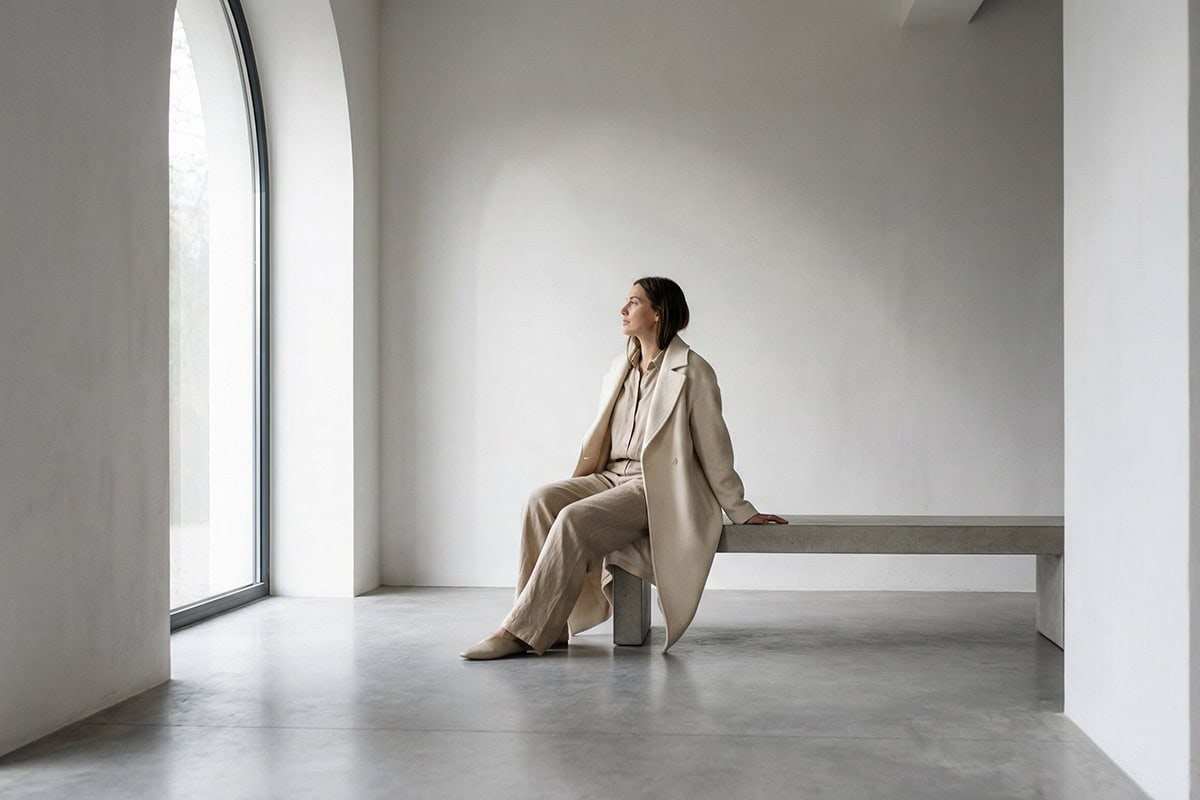
For a long time, life was measured by how much you could fit into it.
More plans, more movement, more noise — all seen as signs of progress.
But recently, something has started to shift.
The quiet life trend is emerging as a response to that constant activity. It reflects a move toward something slower, more deliberate, and more controlled — a way of living that prioritises calm over momentum.
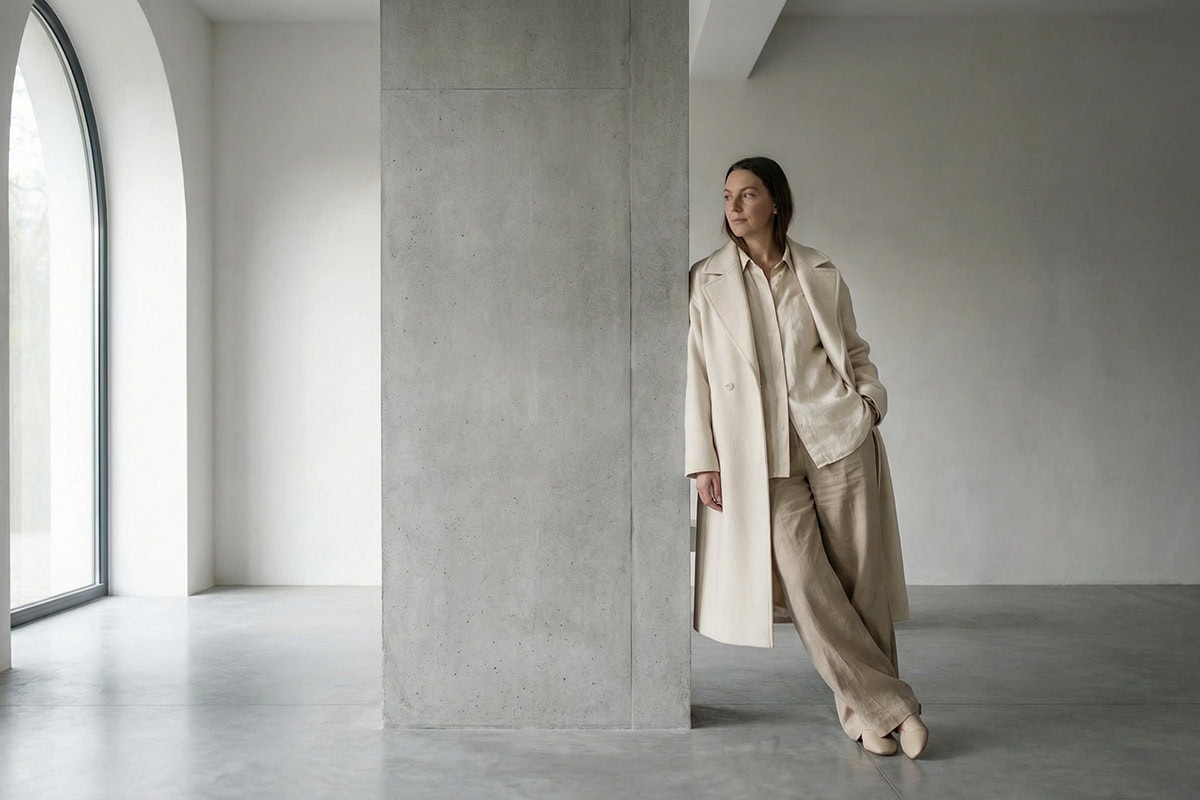
A Shift Away From Constant Noise
Modern life is built around stimulation.
Notifications, updates, and endless content create a sense that something is always happening — and that you should always be keeping up.
Over time, that becomes exhausting.
The quiet life trend isn’t about disconnecting completely. It’s about reducing unnecessary noise and choosing what actually deserves your attention.
Why Slower Living Feels More Powerful
Slower living isn’t about doing less — it’s about doing things with more intention.
When you slow the pace:
- decisions become clearer
- routines feel more natural
- time feels less fragmented
There’s a sense of control that comes from not reacting to everything around you.
And increasingly, that control is what people are seeking.
What the Quiet Life Looks Like
This shift doesn’t look dramatic.
It shows up in small, consistent ways:
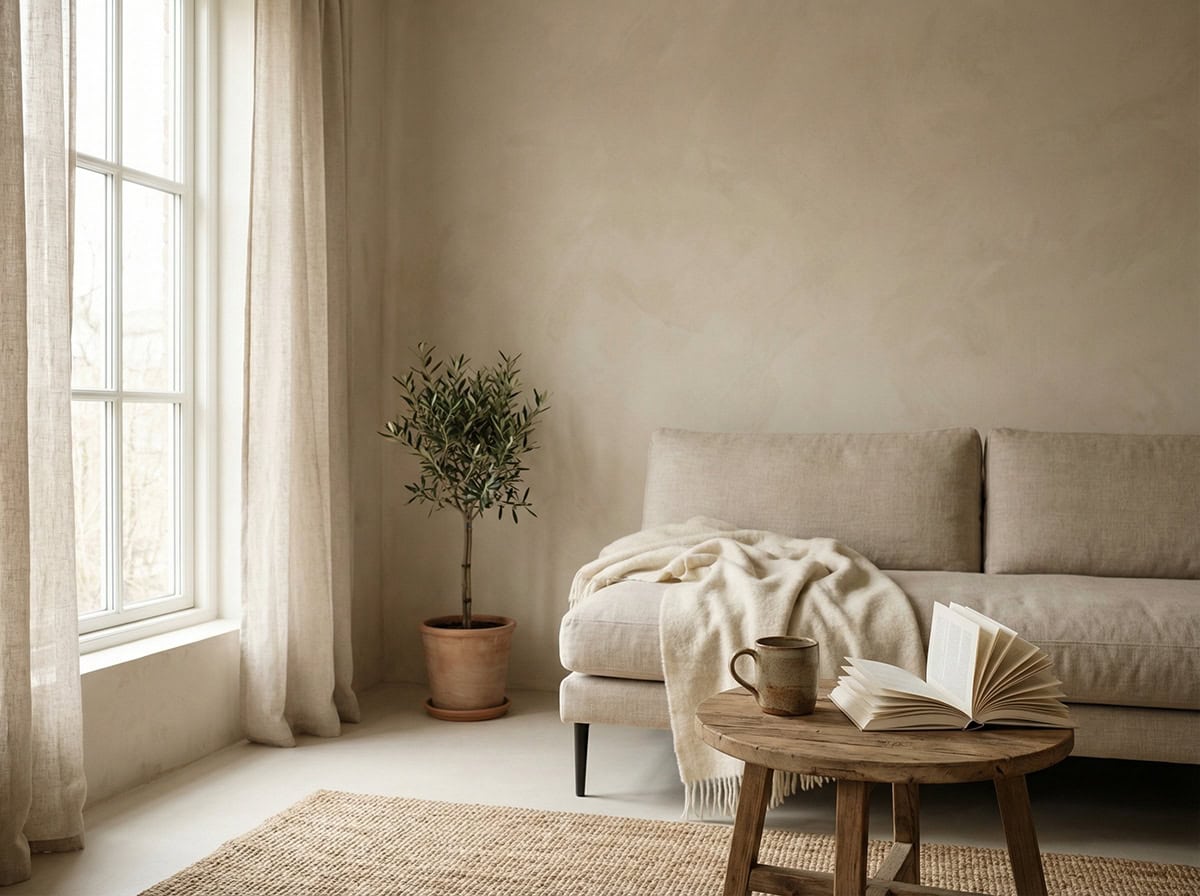
- Choosing calm environments
- Limiting unnecessary input
- Creating space in your day
- Focusing on what actually matters
It’s less about adding new habits — and more about removing what doesn’t need to be there.
The Role of Environment and Routine
The quiet life is supported by:
- your environment
- your routines
A calm space makes it easier to slow down.
A consistent routine removes unnecessary decision-making.
This is where ideas like a soft routine lifestyle and living alone well naturally connect — they create the structure that allows slower living to feel sustainable.
Letting Go of the Pressure to Do More
One of the biggest shifts behind this trend is the idea that more isn’t always better.
There’s less interest in:
- constant productivity
- overfilled schedules
- endless optimisation
And more interest in:
- clarity
- balance
- intention
This doesn’t reduce ambition — it refines it.
Why This Trend Is Growing Now
The more connected life becomes, the more valuable disconnection feels.
As everything speeds up, slowing down becomes a conscious choice.
The quiet life trend reflects a wider shift:
👉 people are no longer just asking what they can do
👉 but how they want to live
Frequently Asked Questions
It’s a lifestyle shift toward slower, more intentional living that prioritises calm, clarity, and simplicity.
Yes. It’s about adjusting how you approach your time, not removing responsibilities entirely.
Begin by reducing unnecessary distractions and creating more space in your daily routine.
As modern life becomes more demanding, people are seeking balance and a greater sense of control.
The Edit’s Takeaway
The quiet life trend isn’t about stepping away from life — it’s about stepping into it more deliberately.
When you begin to reduce unnecessary noise, create space in your day, and move with intention, everything starts to feel clearer. Decisions become easier, routines feel more natural, and your time stops feeling fragmented.
It’s a shift that connects directly to a soft routine lifestyle, where structure exists without pressure, and to the idea of living alone well, where your environment supports how you want to feel rather than distracting from it. Even small habits, like a weekly reset, begin to carry more weight when the pace of your life allows you to fully experience them.
Over time, this way of living becomes less about effort and more about alignment. You’re no longer trying to keep up with everything — you’re choosing what actually matters.
And in that shift, the idea of doing more quietly gives way to something far more valuable: living with clarity, intention, and a sense of control over how your life feels.