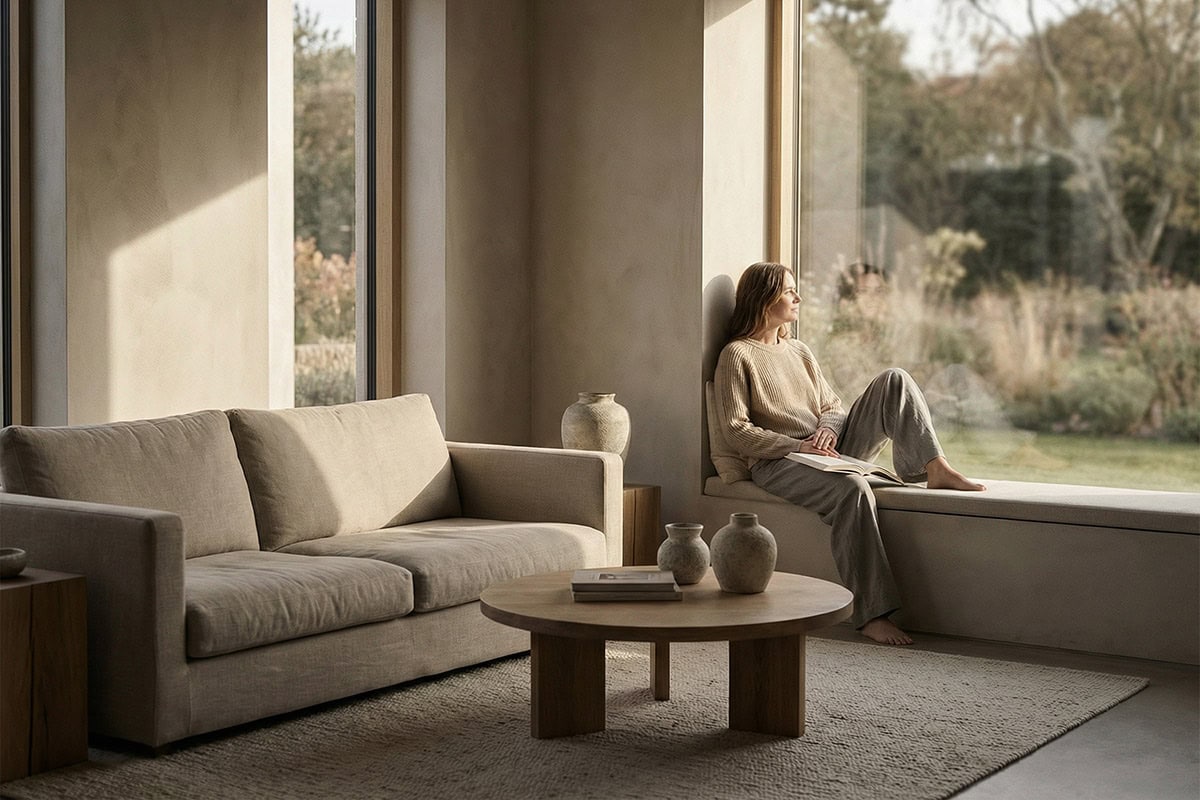
Quiet luxury entered the mainstream through fashion, but it was never meant to stay there.
What began with understated tailoring and muted palettes has quietly expanded into homes, routines, and everyday decisions. In 2026, the quiet luxury lifestyle no longer describes how people dress alone — it shapes how they live.
This shift isn’t about rejecting aspiration. It’s about choosing restraint over noise, consistency over novelty, and meaning over display.
Beyond Appearance
In fashion, quiet luxury was easy to identify. Clean silhouettes. Neutral tones. No obvious branding.
In lifestyle, it’s less visible — and more physical.
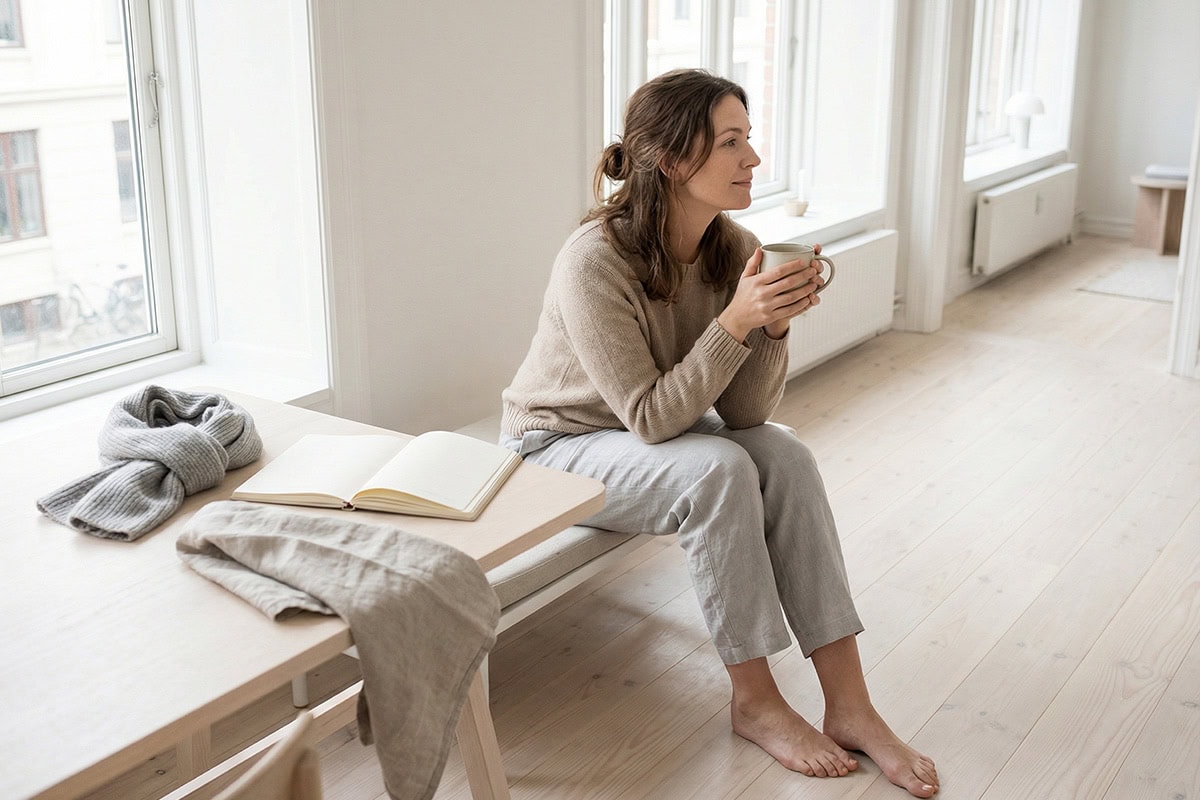
The quiet luxury lifestyle shows up in rooms that feel balanced rather than styled. In spaces designed to be lived in, not documented. In objects chosen for how they feel and endure, not how quickly they impress.
It has moved from something you notice to something you experience.
Consistency Over Statements
Traditional luxury relied on moments — the purchase, the reveal, the visible upgrade.
The quiet luxury lifestyle replaces moments with consistency.
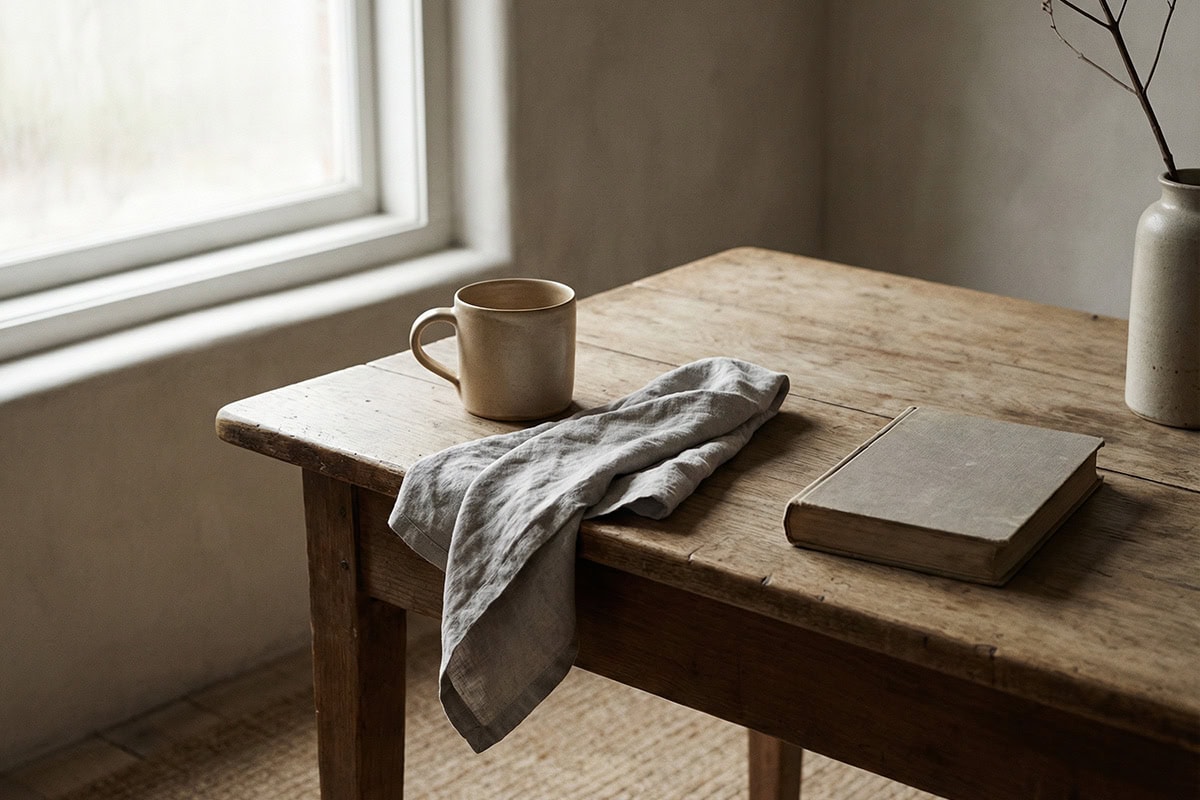
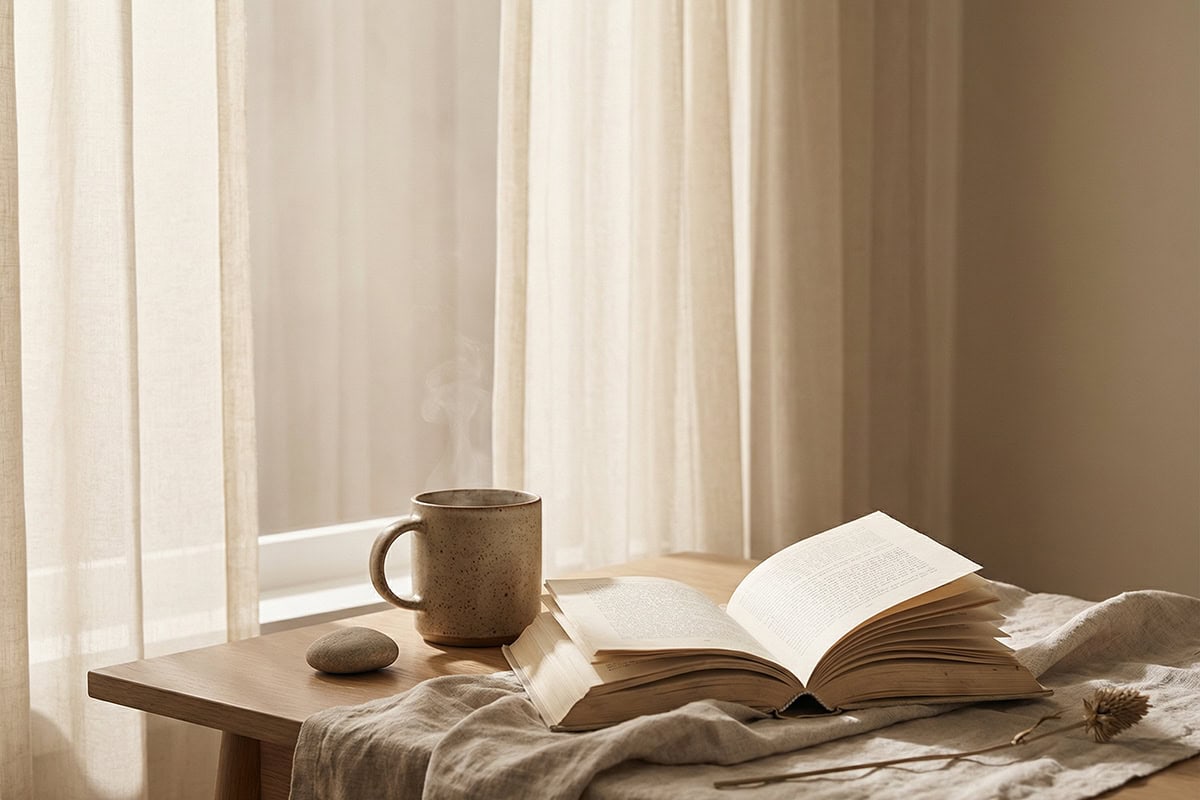
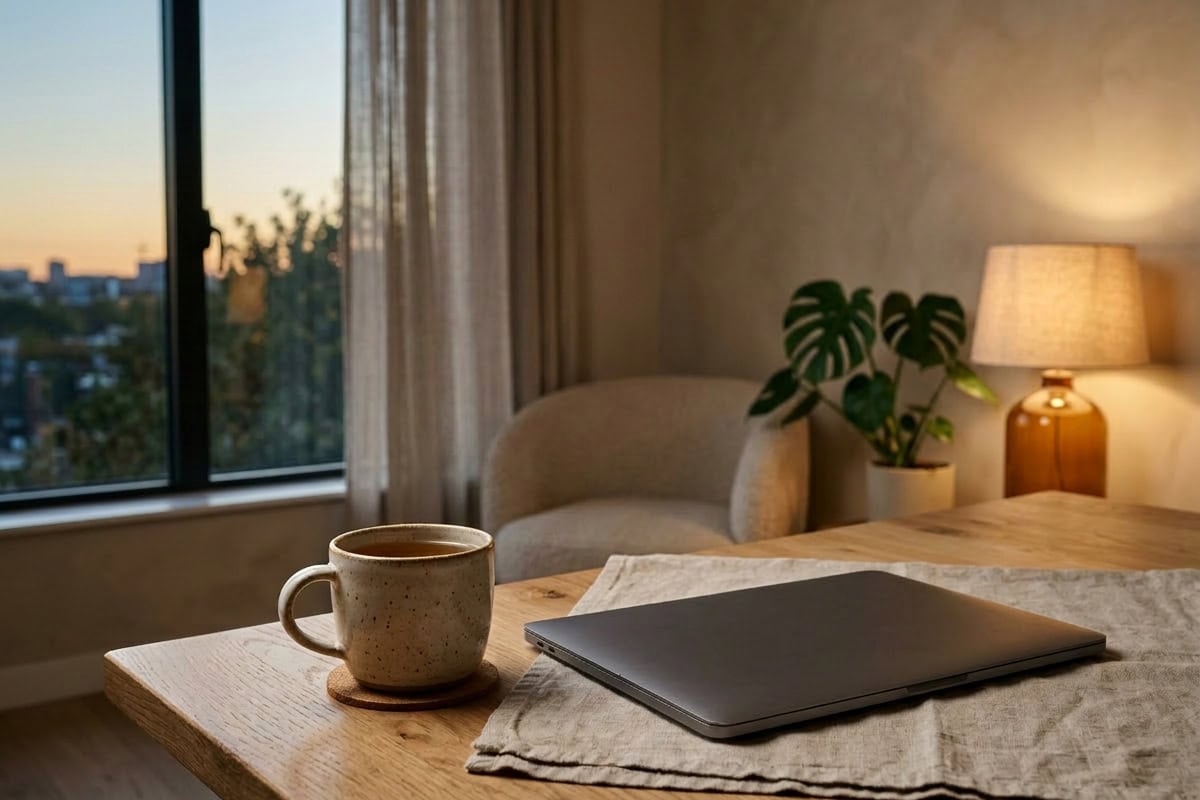
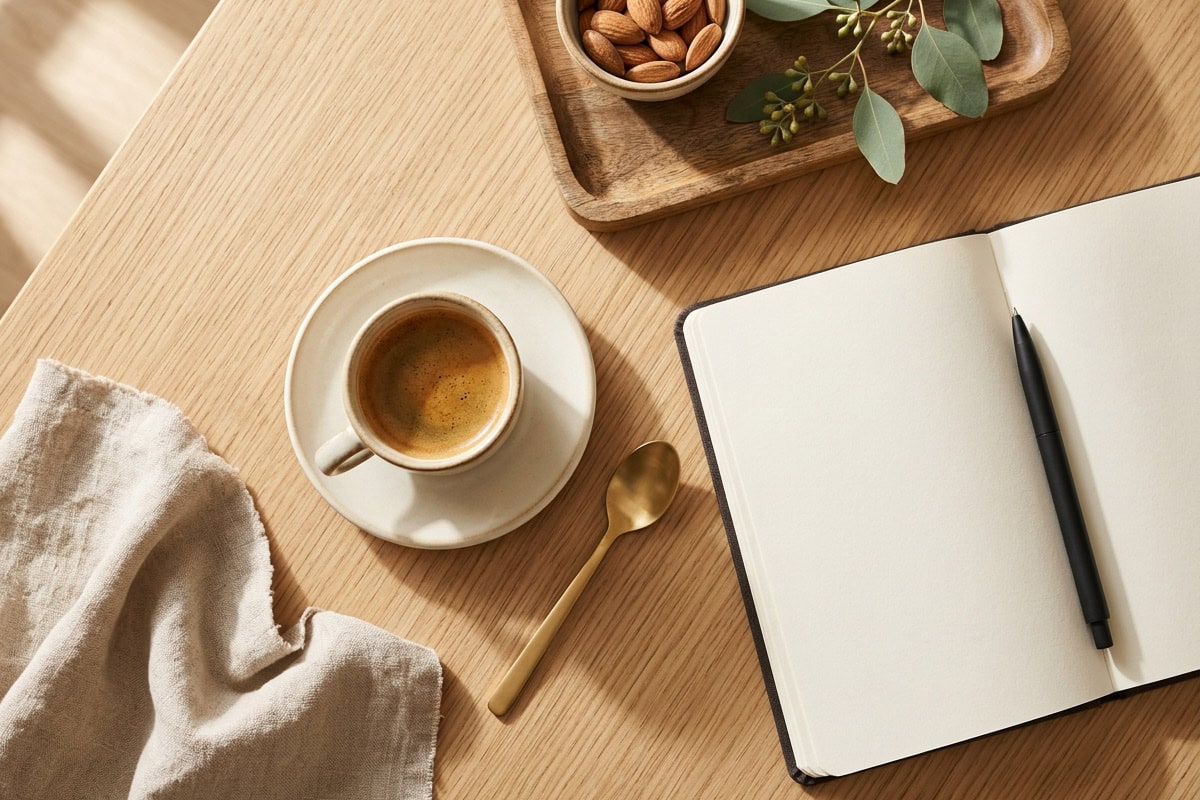
The same well-made mug used every morning. Lighting that softens a space rather than dominates it. Furniture chosen for comfort and proportion, not trend relevance. These are not statements. They are foundations.
Luxury becomes part of daily rhythm rather than a signal to others.
Why the Quiet Luxury Lifestyle Shift Happened
Several cultural pressures have pushed quiet luxury beyond fashion and into lifestyle:
- Overexposure has made subtlety feel rare
- Consumption fatigue has reduced the appeal of constant buying
- Digital saturation has increased the value of calm environments
- Long-term thinking has replaced trend-driven behaviour
Together, these forces have reshaped how people define value. The quiet luxury lifestyle prioritises clarity over accumulation.
The Objects That Remain
Quiet luxury does not reject objects. It simply expects more from them.
Within the quiet luxury lifestyle, objects are chosen to support daily life rather than fill space. They earn their place through usefulness, material honesty, and restraint.
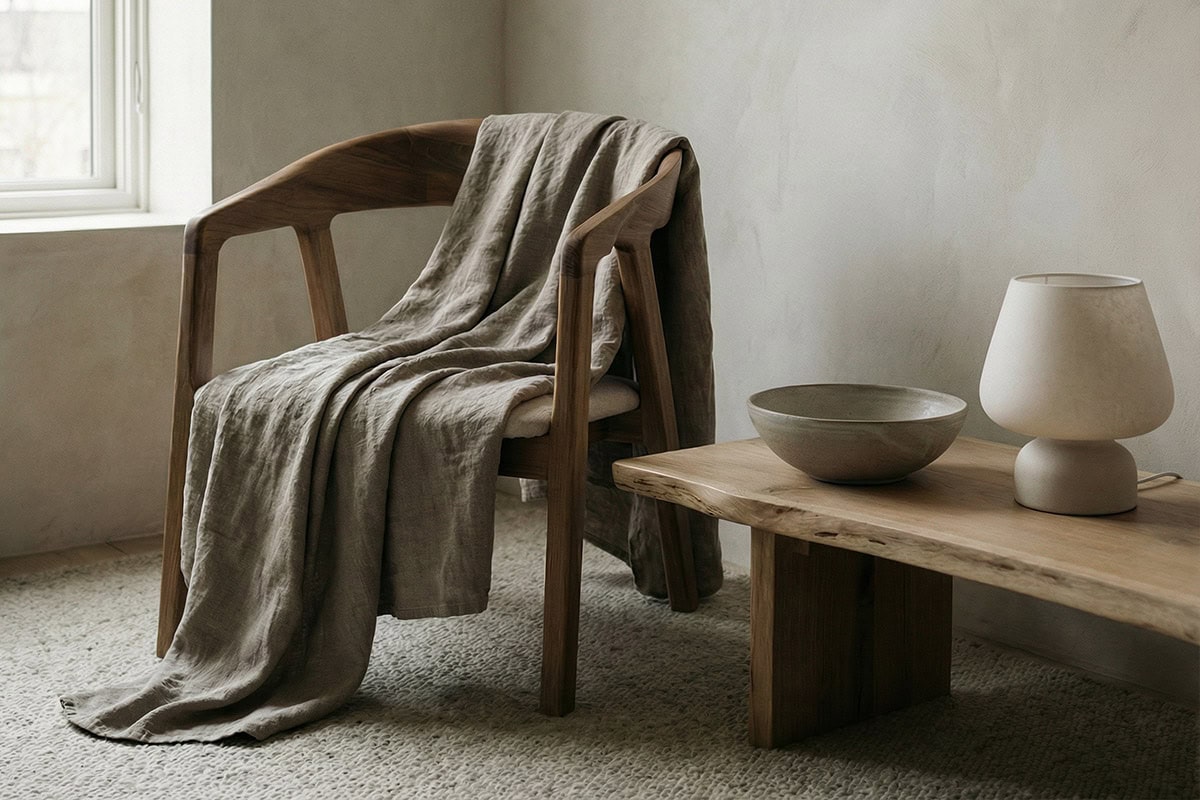
Across modern interiors, people are gravitating toward items that feel grounding rather than impressive — pieces that reduce visual noise and age well over time.
They are rarely dramatic, that is why they last.
The appeal of quieter, materially honest spaces has been shaping modern interiors for some time.
Not Minimalism
The quiet luxury lifestyle is often confused with minimalism, but the distinction matters.
Minimalism focuses on removal. Quiet luxury focuses on selection.
Spaces are not empty — they are edited. Possessions are not avoided — they are chosen carefully. There is room for warmth, texture, and personality without excess.
It’s not about having less. It’s about keeping what fits.
Nothing to Prove
Perhaps the clearest sign that the quiet luxury lifestyle has moved beyond fashion is this: it no longer seeks validation.
There are no labels to point out. No aesthetic to defend. No explanation required. The lifestyle simply supports the person living it.
In a culture defined by visibility, quiet luxury offers something rarer — ease.
FAQ
The quiet luxury lifestyle is defined by intentional choices, calm environments, and objects that support daily life without seeking attention.
No. Minimalism focuses on reduction, while the quiet luxury lifestyle focuses on selection and balance rather than emptiness.
Digital overload, constant consumption, and cultural fatigue have made quieter, more deliberate ways of living more appealing.
Not at all. The quiet luxury lifestyle values longevity and consistency over price, often favouring well-chosen everyday items.
The quiet luxury lifestyle shapes routines by prioritising consistency, calm, and ease over optimisation or display. Rather than adding complexity, people often simplify how they start and end their day, choosing habits and objects that feel reliable and grounding. This reflects a wider shift toward slower, more intentional morning routines.
Closing Notes
The quiet luxury lifestyle has matured.
It no longer belongs solely to wardrobes or trend cycles. It now influences how people organise their homes, choose objects, and decide what is worth keeping.
In 2026, the quiet luxury lifestyle isn’t about standing out, It’s about settling in.