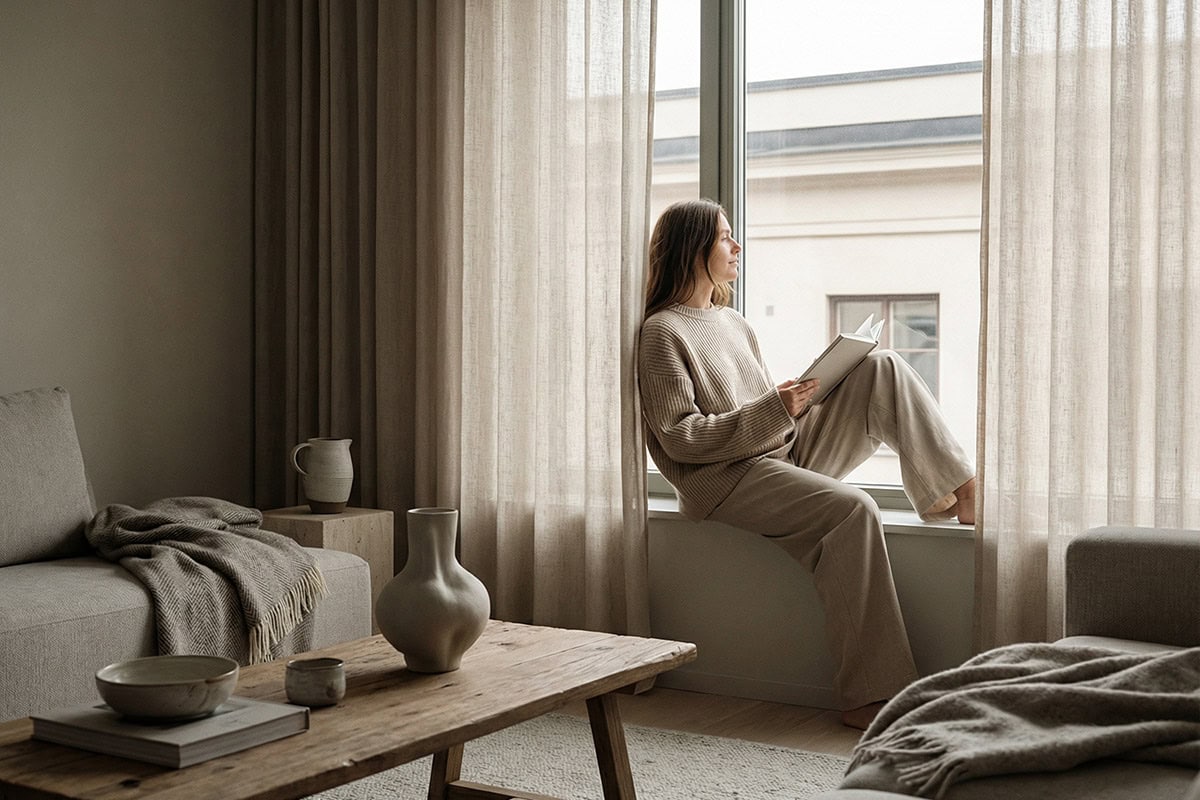
Luxury used to be something you arrived at. It was reserved for special occasions, standout purchases, or moments designed to feel exceptional. But that definition has slowly lost relevance. In its place, a quieter understanding has taken hold.
Today, the everyday luxury lifestyle is not about excess or display. It’s about how life feels on an ordinary Tuesday. The quality of small, repeated experiences has begun to matter more than occasional indulgence.
Luxury has moved closer to home — and closer to routine.
Less Occasion, More Continuity
Traditional luxury thrived on separation. Everyday life was functional; luxury was elevated and rare.
That gap has narrowed.
Within the everyday luxury lifestyle, value comes from continuity rather than contrast. Items are chosen not because they feel special once, but because they feel right every time. Comfort, proportion, and reliability have replaced spectacle.
Luxury no longer interrupts life, It supports it.
Why Everyday Luxury Feels Different Now
Several cultural shifts have reshaped how people define luxury:
- Time scarcity has made daily comfort more valuable than distant rewards
- Consumption fatigue has reduced interest in constant upgrades
- Digital saturation has increased appreciation for physical ease
- Longevity thinking has replaced short-term gratification
As a result, the everyday luxury lifestyle prioritises what improves life repeatedly, not occasionally.
Luxury That Repeats
What distinguishes everyday luxury from traditional indulgence is repetition.
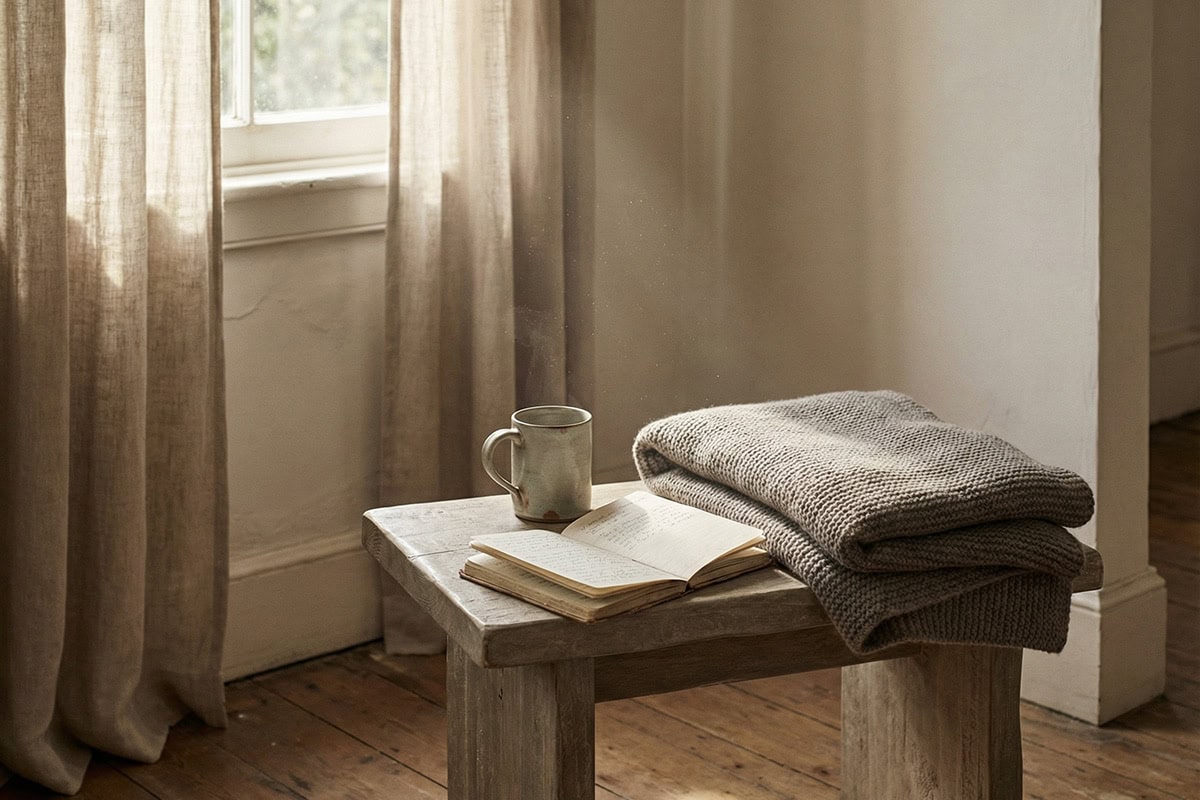
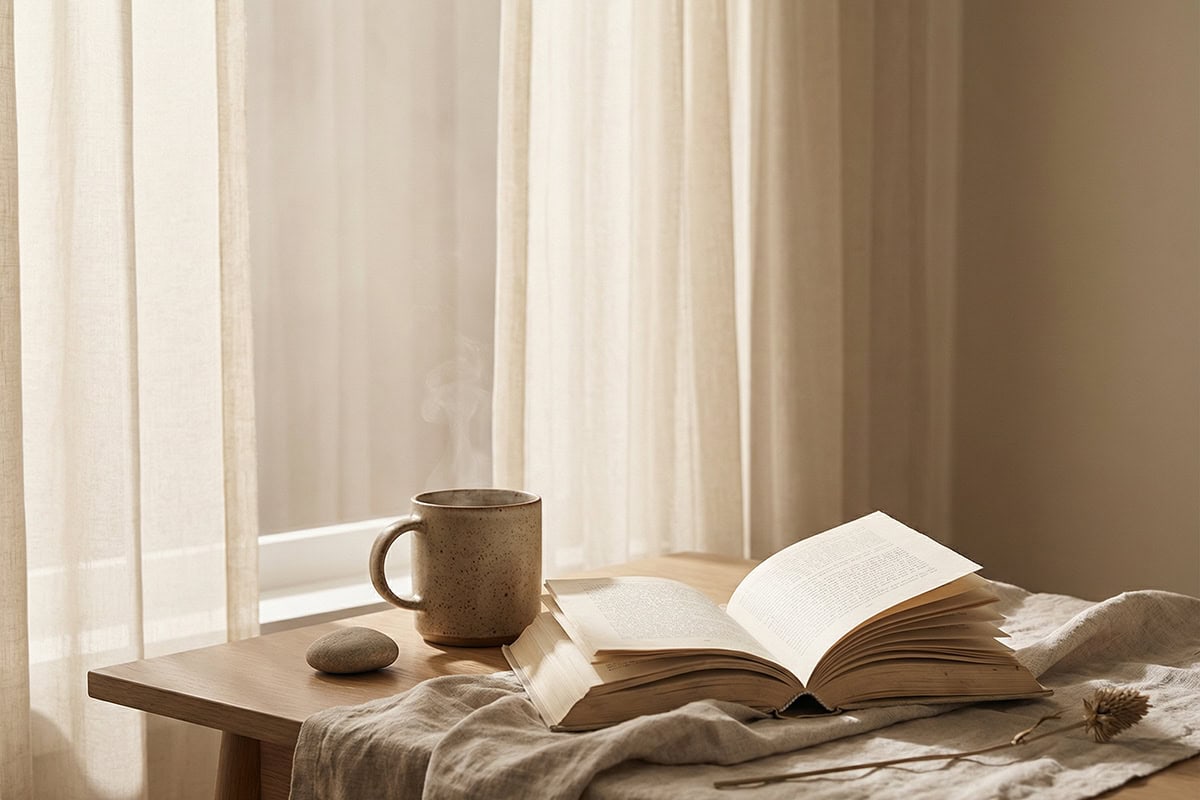
A well-made object earns its status not through rarity, but through use. The chair that remains comfortable. The lighting that softens evenings. The routine that restores calm at the end of the day.
Within the everyday luxury lifestyle, luxury is not fragile. It is dependable.
This shift explains why people are increasingly drawn to items and habits that disappear into daily life rather than announce themselves.
Not About Price
Everyday luxury is often misunderstood as expensive minimalism. It isn’t.
Price matters far less than alignment. An object qualifies as luxury when it removes friction, not when it signals status. A modest item used daily can feel more luxurious than something costly that sits untouched.
The everyday luxury lifestyle values fit over flash.
How Everyday Luxury Shapes Routines
Luxury now shows up in how days begin and end.
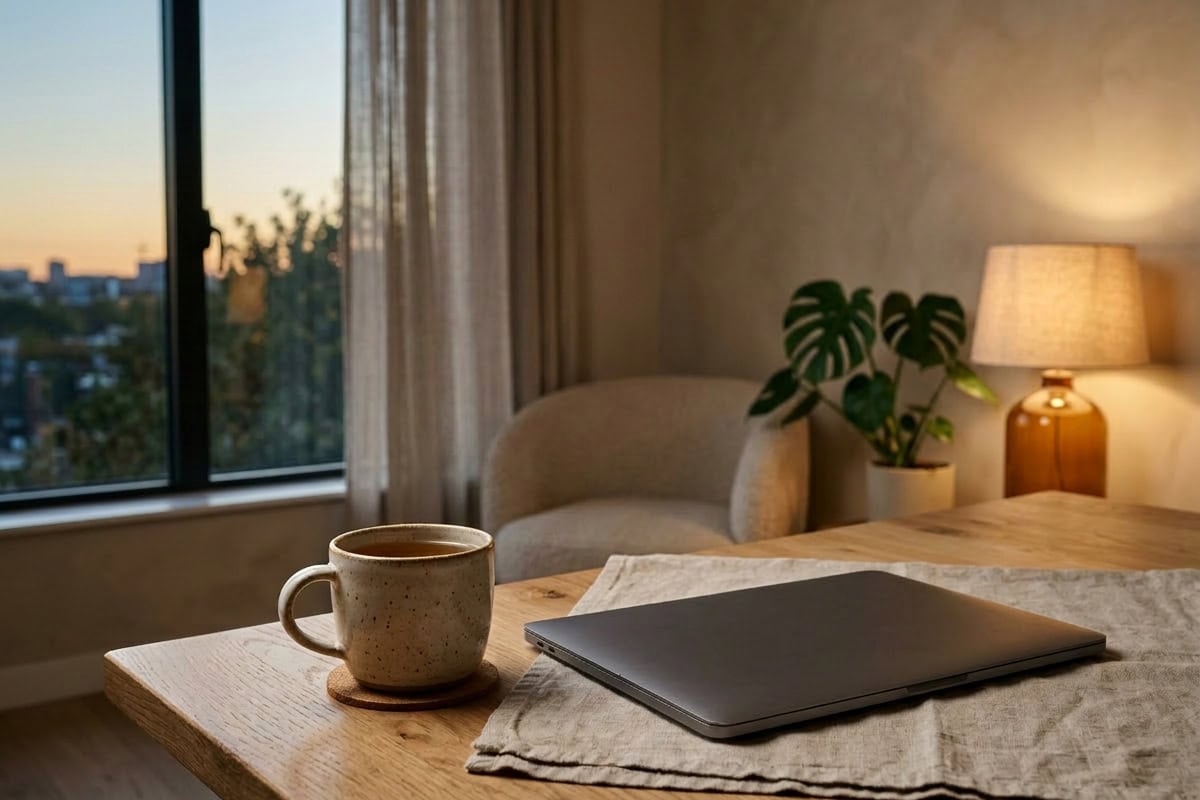
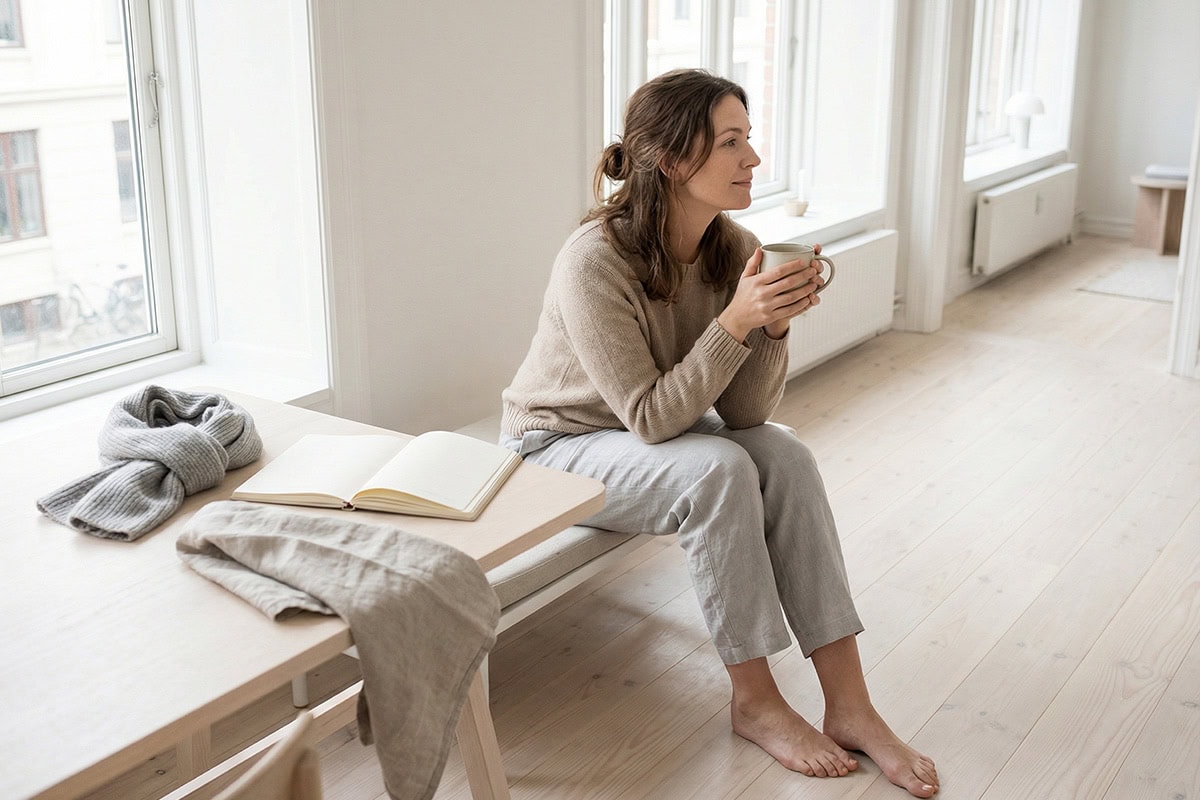
Morning routines have become calmer. Evenings more intentional. The goal is not optimisation, but ease. Small adjustments — fewer decisions, softer environments, reliable objects — accumulate into a noticeably different way of living.
This is where everyday luxury becomes experiential rather than material.
Nothing Extravagant Required
Perhaps the most defining feature of the everyday luxury lifestyle is its lack of drama.
There is no announcement. No transformation moment. No visible marker of arrival. The shift is subtle, internal, and often unnoticed by others.
That is precisely why it lasts.
FAQ
The everyday luxury lifestyle focuses on consistent comfort and quality in daily life rather than rare indulgences. It values repeated ease over occasional excess.
Traditional luxury emphasised rarity and status, while everyday luxury prioritises usability, comfort, and long-term satisfaction.
No. Everyday luxury is about choosing items and routines that fit well into daily life, regardless of price. Longevity matters more than cost.
Shifts in how people value time, comfort, and mental clarity have made consistent quality more appealing than occasional extravagance.
Closing Notes
Everyday luxury has replaced aspiration with consistency.
It is no longer about what stands out, but about what supports daily life quietly and well. In 2026, the everyday luxury lifestyle reflects a broader desire for calm, reliability, and lived-in quality.
Luxury hasn’t disappeared, It has simply moved closer.