TL;DR
Living alone well is about creating a space that supports calm, routine, and independence — turning your home into an environment that feels intentional, comfortable, and truly your own.
Living alone is often seen as either complete freedom or quiet isolation.
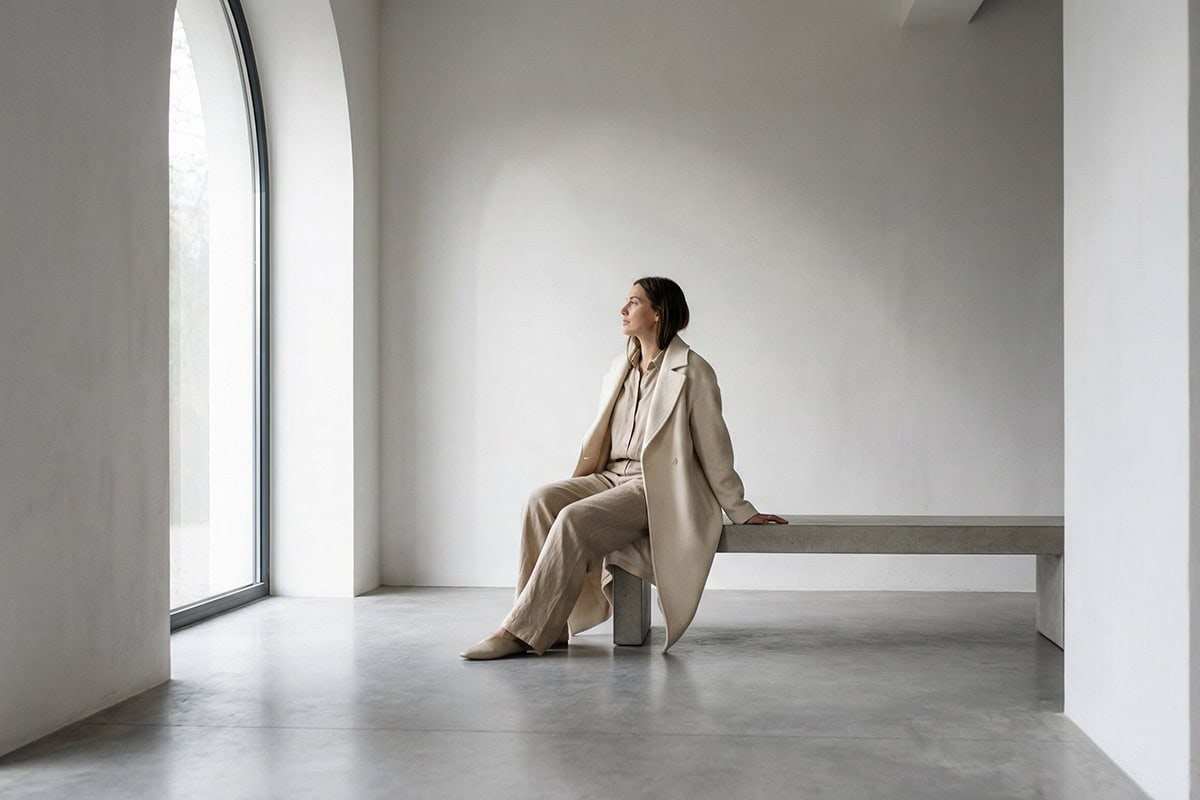
In reality, it’s something more nuanced — an opportunity to shape your environment entirely around how you want to live.
When approached intentionally, living alone becomes less about being by yourself and more about creating a space that supports your routines, your mindset, and your sense of calm.
It’s not just where you live — it’s how you live within it.
A Space That Reflects Your Rhythm
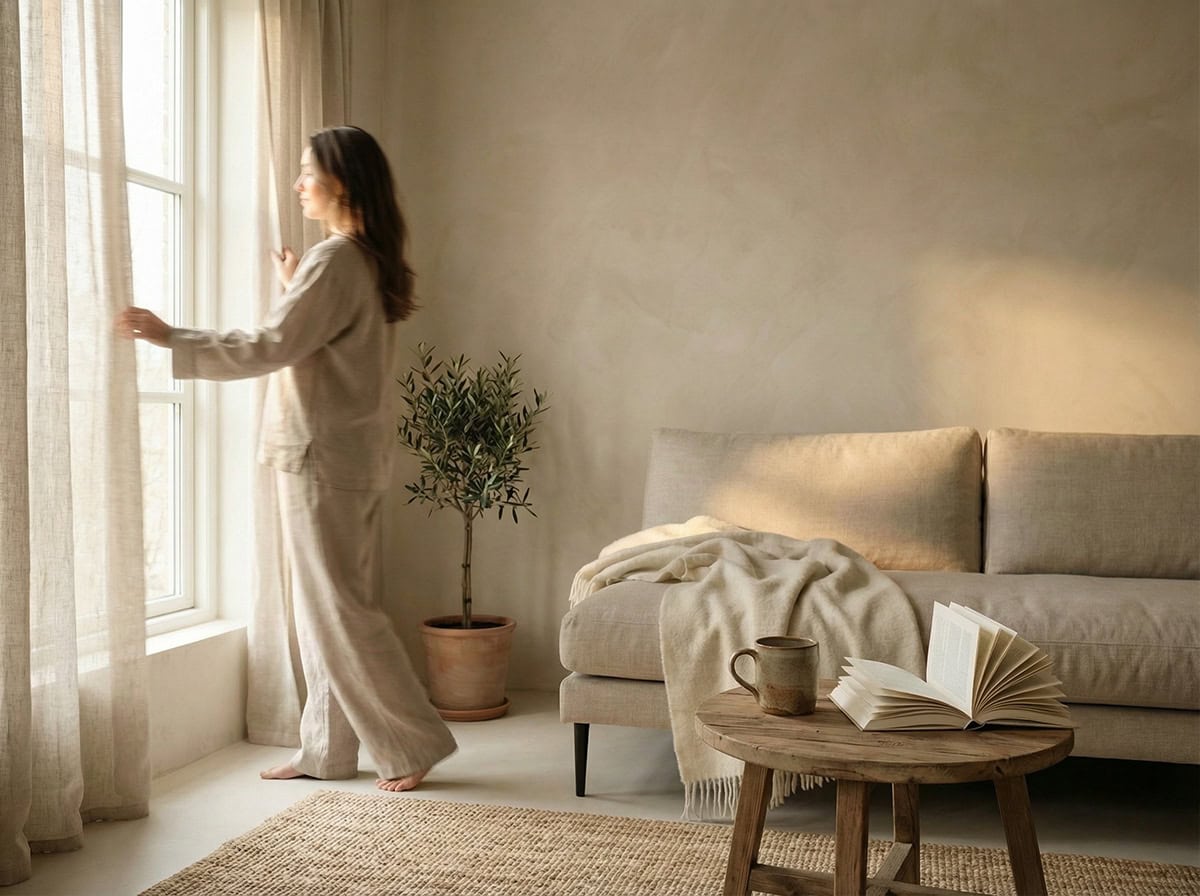
When you live alone, your environment becomes an extension of your daily rhythm.
There’s no need to adapt to anyone else’s schedule, preferences, or habits. That freedom allows you to create a space that feels aligned with how you naturally move through your day.
Small choices begin to matter more:
- Where light enters your space
- How your evenings feel
- What your environment encourages you to do
Over time, your home becomes less about function — and more about experience.
Moving Beyond Functionality
A home that simply works is different from a home that feels right.
Living alone well means going beyond:
- basic furniture
- practical layouts
- everyday convenience
It’s about asking:
👉 Does this space support how I want to feel?
That might mean:
- softer lighting instead of harsh overhead lights
- clear surfaces instead of constant clutter
- quiet corners designed for rest
These choices don’t require more — just more intention.
Creating a Sense of Calm
Calm doesn’t happen by accident — it’s created.
When you live alone, you have full control over how that calm is built into your environment.
This could look like:
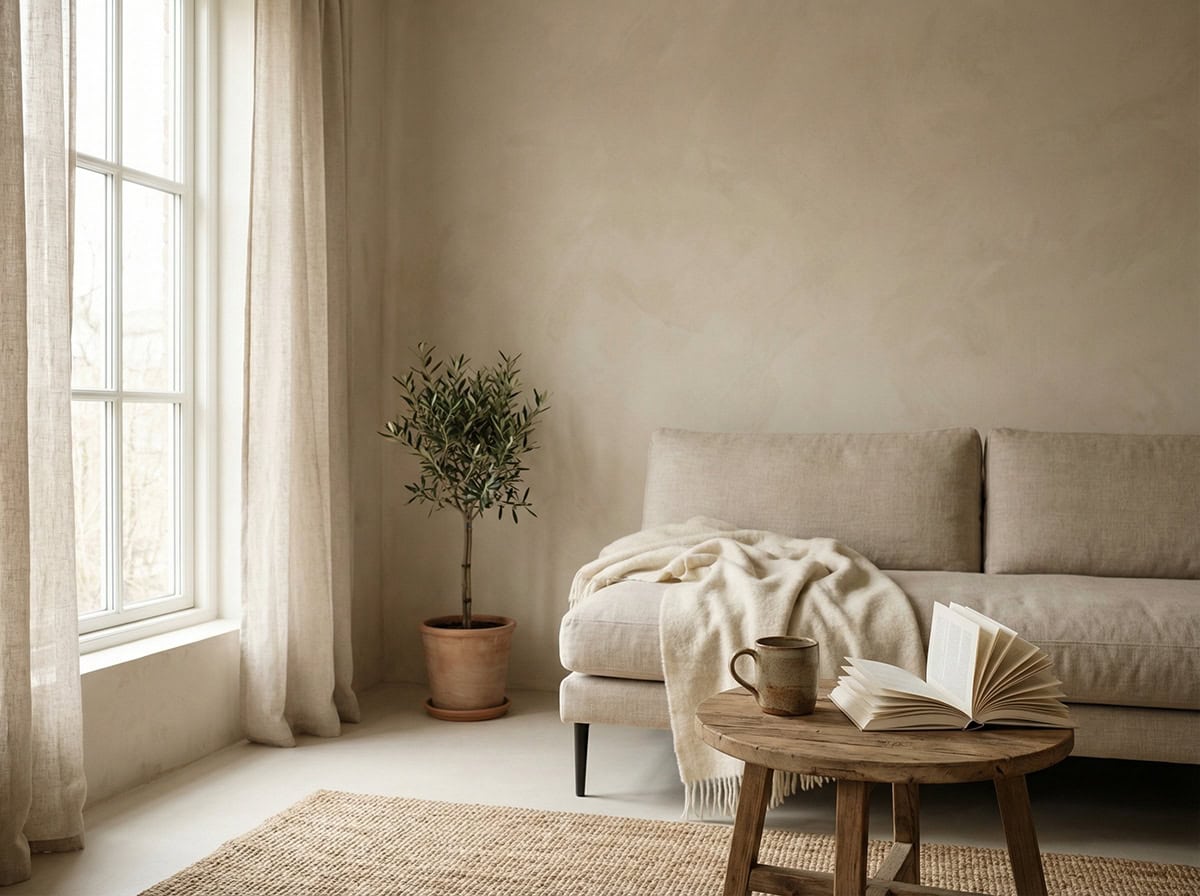
- Keeping spaces visually simple
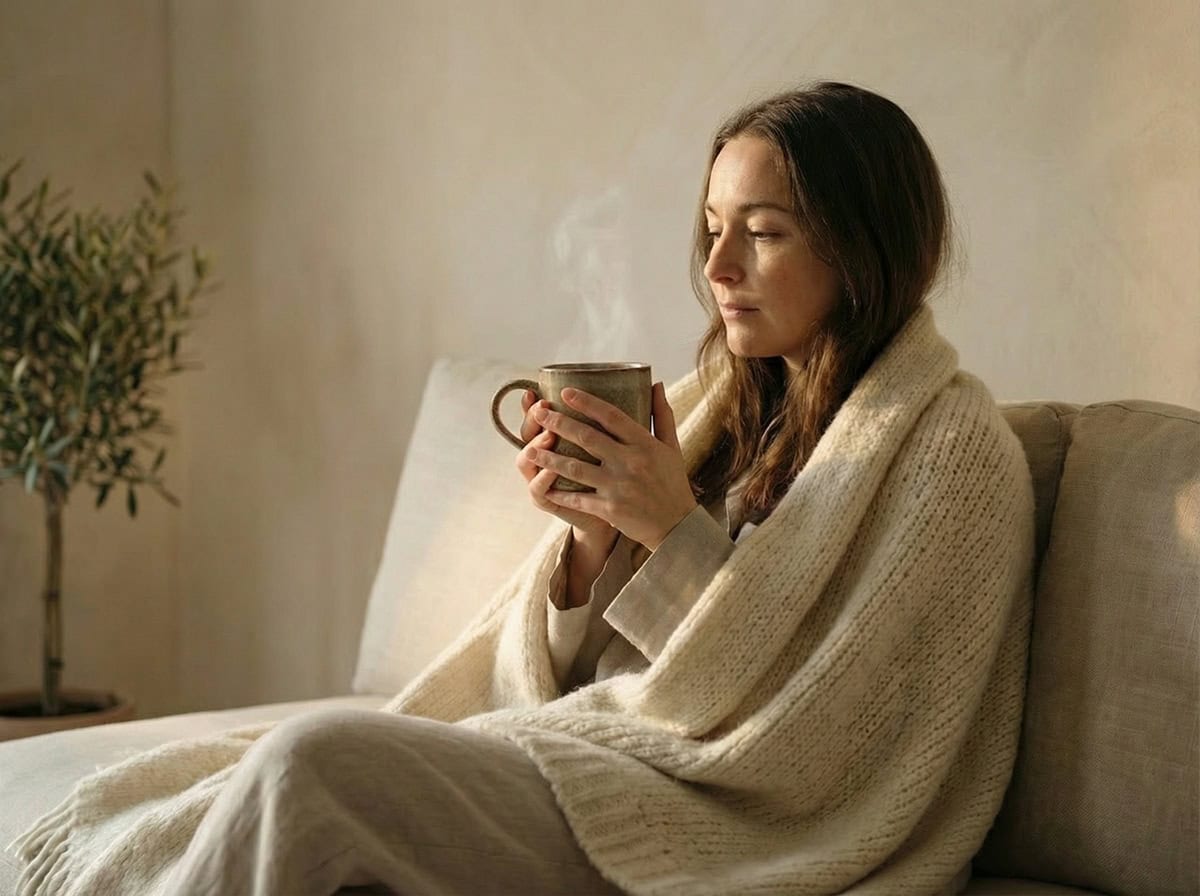
- Introducing textures that feel comfortable
- Allowing natural light to shape your day
The goal isn’t perfection — it’s consistency.
A space that feels calm supports a mind that feels the same.
The Role of Routine in Solo Living
Your environment and your routines naturally support each other.
A well-considered space makes it easier to maintain:
- a soft routine lifestyle
- a consistent daily rhythm
- moments of pause throughout the day
When everything around you is aligned, routines don’t feel forced — they happen more naturally.
Finding Comfort in Your Own Space
There’s a difference between being alone and feeling comfortable alone.
Living alone well is about closing that gap.
It means creating a space where:
- silence feels calm, not empty
- time feels open, not uncertain
- your environment feels supportive, not distracting
This is where independence becomes something positive — not something to fill, but something to appreciate.
How This Connects to Everyday Living
Living alone well doesn’t sit in isolation — it shapes everything else around it.
When your environment is calm and aligned with how you want to live, your routines begin to feel more natural and less forced. Small habits become easier to maintain, not because of discipline, but because your space supports them.
It strengthens a soft routine lifestyle, where your day flows with intention rather than pressure. Your surroundings begin to guide your rhythm — from how you start your morning to how you wind down in the evening.
It also makes your Sunday reset routine more effective. When your space already feels considered, resetting it becomes less about effort and more about maintaining a sense of order and clarity.
And perhaps most importantly, it allows you to fully romanticise everyday life. When your environment feels right, even the simplest moments — a quiet morning, a calm evening, a familiar routine — begin to feel more meaningful.
Living alone well is not a separate idea. It’s the foundation that supports how you experience everything else.
Frequently Asked Questions
Is living alone good for your wellbeing?
Yes. When approached intentionally, living alone can support independence, calm, and personal growth.
How can I make living alone feel less lonely?
Focus on creating a space that feels comfortable and aligned with your routines and lifestyle.
What makes a home feel calm?
Lighting, layout, and simplicity all contribute to a calm environment.
Do I need to spend money to improve my space?
No. Small, intentional changes are often more effective than major upgrades.
The Edit’s Takeaway
Living alone well isn’t about having more space — it’s about using your space differently.
When your environment reflects how you want to live, everything else begins to feel more natural. Routines settle, moments slow down, and your home becomes something you actively experience rather than simply exist within.
And in that space, living alone becomes less about independence — and more about intention.