TL;DR
Yellow has quietly shifted from statement colour to modern neutral. In 2026, softer yellow tones—especially in knitwear—are being worn repeatedly, layered effortlessly, and treated like beige once was.
The yellow fashion trend shaping 2026 isn’t loud or performative. It’s quiet, considered, and increasingly foundational.
Yellow has always carried baggage.
Too bright. Too seasonal. Too optimistic to be taken seriously as a wardrobe staple. For years, it existed on the fringes of fashion. Appearing briefly, photographed loudly, then quietly retired.
But something has shifted.
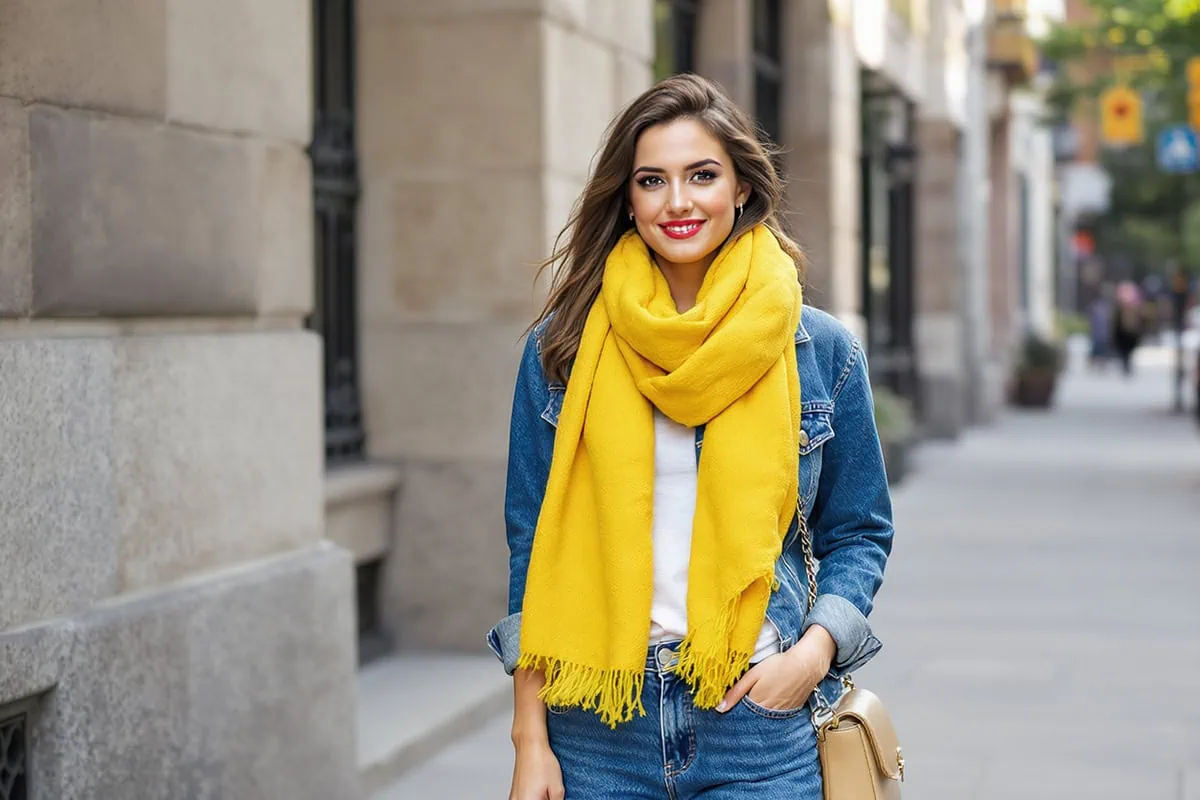
In 2026, the yellow fashion trend isn’t announcing itself. It’s settling in. Softer tones, warmer undertones, and restrained styling have transformed yellow from a risk into a reliable choice. Less attention-seeking. More enduring.
Yellow is no longer worn to stand out.
It’s worn to stay.
When Yellow Stopped Being a Statement
The earliest signal of change came quietly.
Yellow didn’t re-enter fashion through dresses or accessories. It arrived through knitwear. Jumpers, cardigans, fine-gauge layers designed for everyday use. Pieces meant to repeat, not perform.
Once yellow became something you could wear on an ordinary day, its meaning changed. It stopped being expressive and started becoming practical.
This is where the yellow fashion trend gained momentum. Not through impact, but through familiarity.
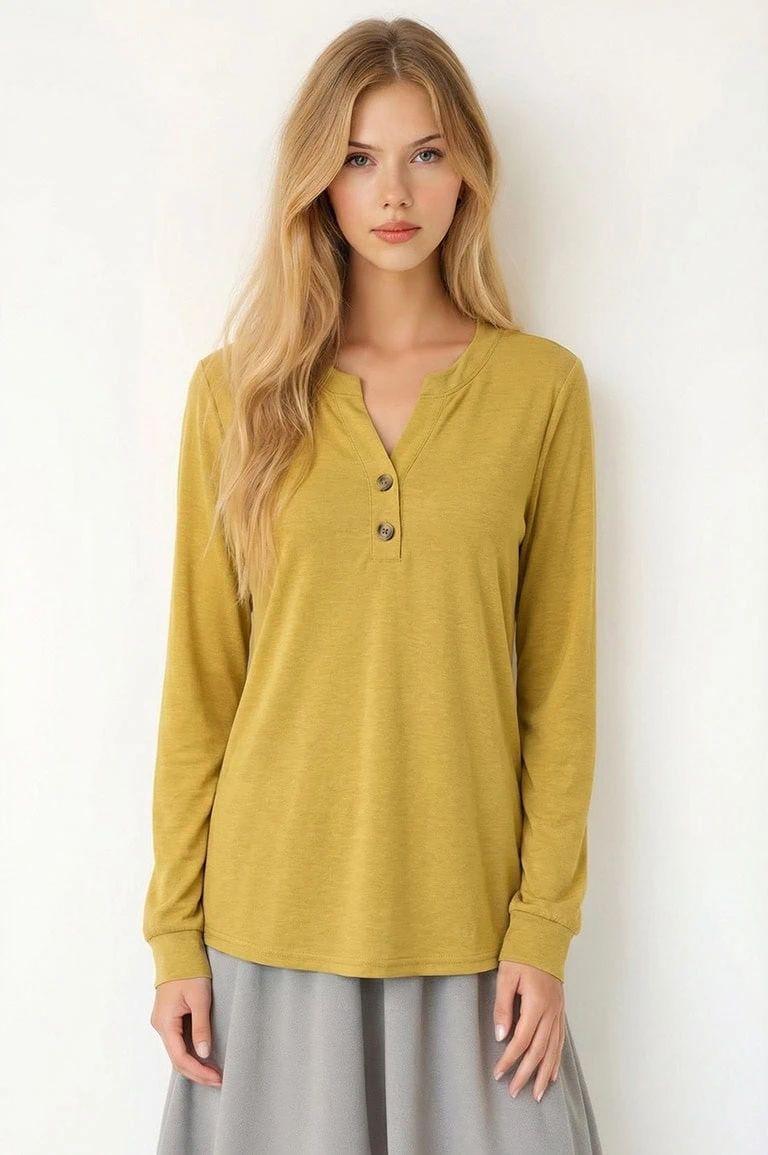
Soft Yellow, Sharply Cut
Fluid, modern, and quietly confident. A soft yellow blouse designed to sit effortlessly between work and everyday wear.
The Shade That Made Yellow Wearable
This trend isn’t driven by brightness.
The yellow shaping modern wardrobes sits closer to mineral tones than primary colour. Butter, straw, pale marigold. Shades that absorb light rather than reflect it. Warm, but never loud.
These tones behave like neutrals. They layer easily. They soften outfits without overpowering them. They photograph calmly and age well.
This is why yellow knitwear works where yellow tailoring once struggled. Texture diffuses colour. Knit removes sharpness. The result is wearable, repeatable, and quietly modern.
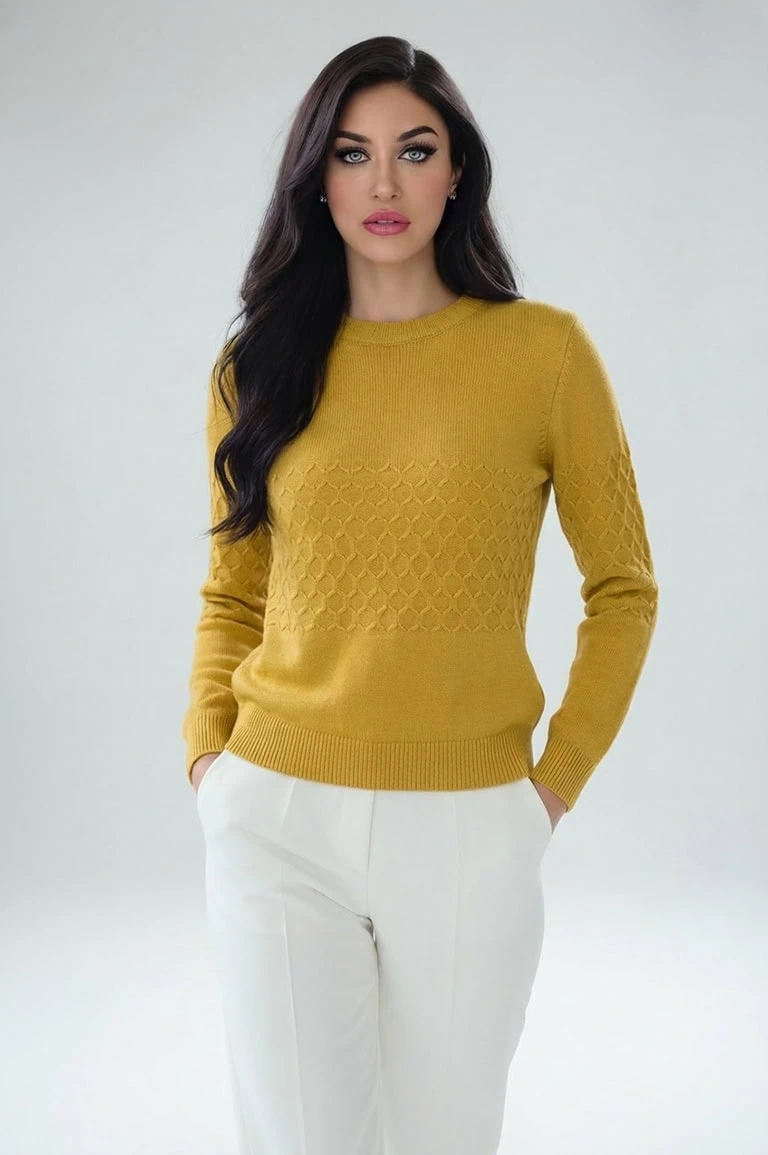
Sunlit Knit, Laid-Back Luxe
Soft ribbed texture meets effortless warmth. This yellow pullover brings relaxed confidence to every casual edit.
How the Yellow Fashion Trend Is Being Styled Now
The styling tells the real story.
Yellow is no longer paired for contrast. It’s worn tonally. Alongside oat, stone, espresso, and soft grey. Rarely anchored by black. Almost never offset with white.
This creates continuity rather than contrast. Outfits feel settled, not styled. Considered, not constructed.
Within this approach, yellow doesn’t interrupt a look.
It completes it.
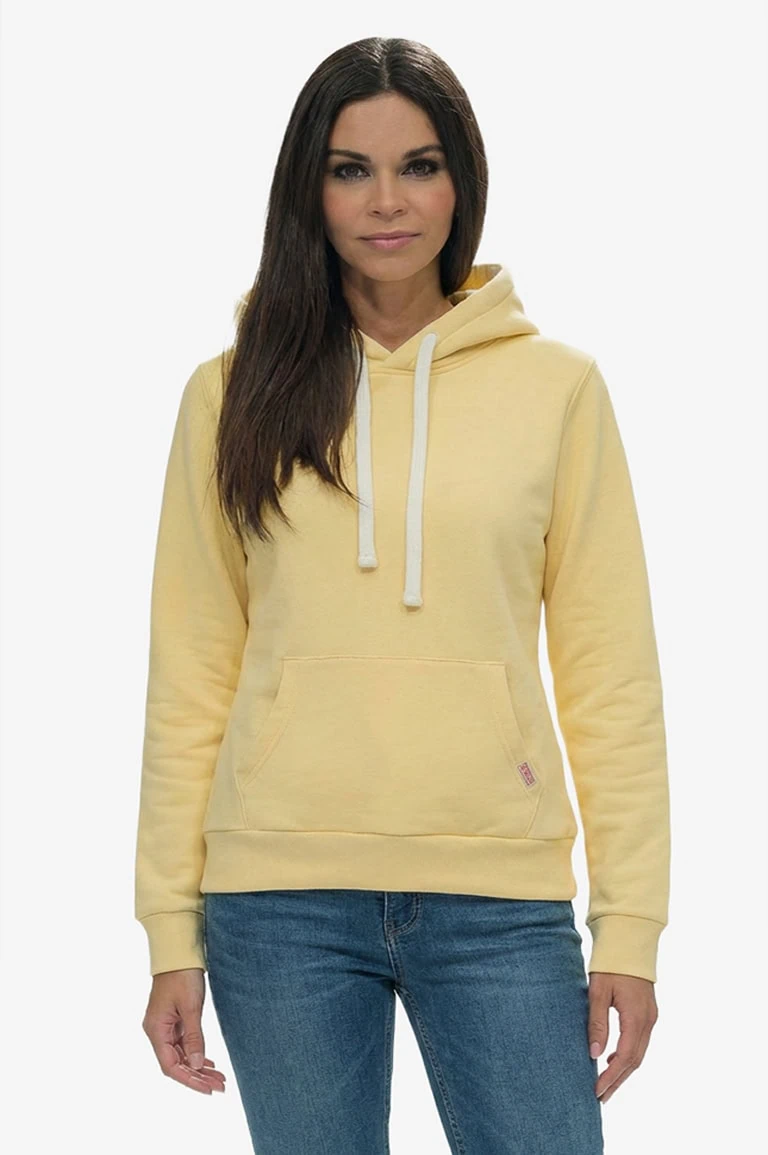
Sun-Washed Ease
A relaxed yellow hoodie with an easy drape and everyday appeal.
Why Yellow Is Replacing Beige
Beige once held this role.
It was dependable, safe, and endlessly wearable. Over time, it flattened wardrobes. What yellow offers instead is warmth without weight. A subtle lift without disruption.
Psychologically, yellow sits close to optimism. But the tones trending now avoid cheerfulness. They feel grounded. Calm. Almost architectural.
This is why the yellow fashion trend isn’t fading.
It solves a real problem. How to refresh a wardrobe without rebuilding it.
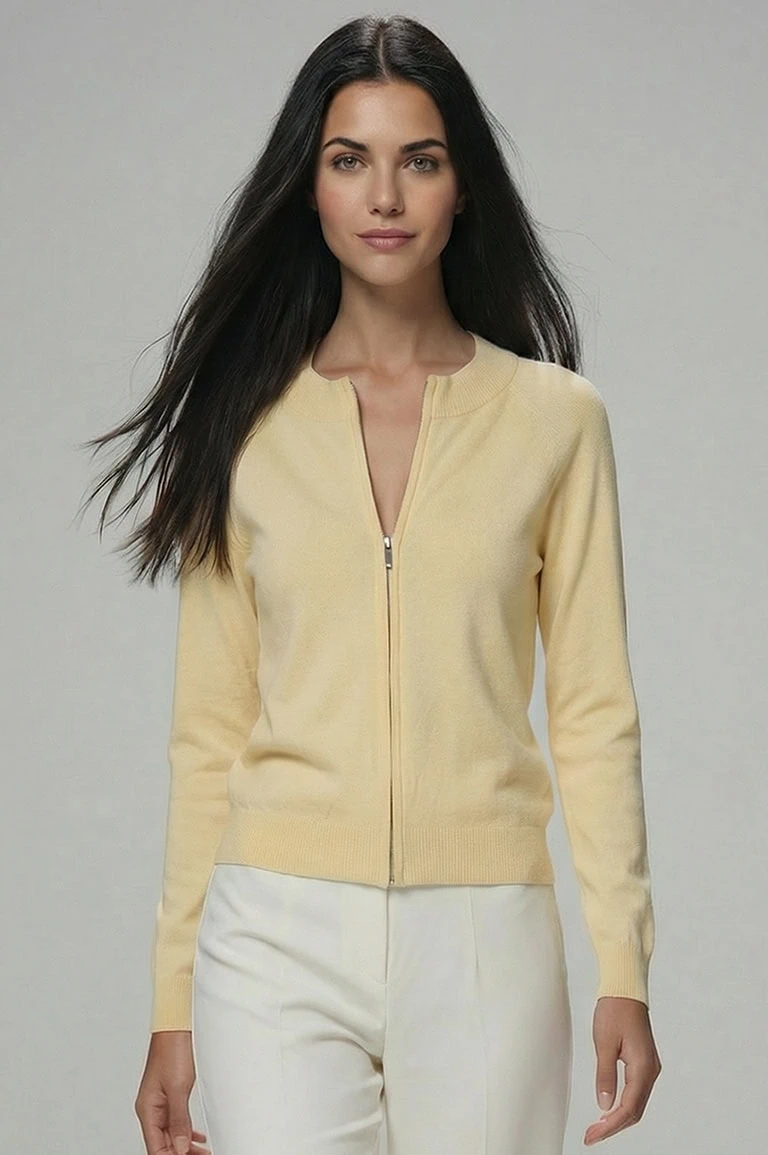
Lightweight Yellow, Refined
A soft, easy cardigan designed for layering. Clean lines, gentle colour, and just enough polish to elevate everyday looks.
Yellow Isn’t Trending. It’s Integrating.
Trends that rely on novelty move quickly.
This one isn’t doing that.
Yellow is appearing repeatedly across knitwear, layering pieces, and everyday garments. It’s being worn by people who already understand their style. Not those chasing it.
That’s the difference.
When a colour stops being noticed and starts being worn, it has crossed the line from trend to neutral.
Explore more yellow pieces on Amazon
Soft knits, lightweight layers, and everyday styles — curated beyond this edit.
FAQ
What is the yellow fashion trend for 2026?
The yellow fashion trend for 2026 focuses on muted, softened yellow tones worn as everyday neutrals rather than statement colours.
Why is yellow being treated as a neutral now?
Softer shades, tonal styling, and everyday formats like knitwear have made yellow easier to repeat and integrate into modern wardrobes.
How should yellow be styled to feel wearable?
Yellow works best when styled with warm neutrals such as stone, oat, brown, or soft grey. High contrast and bold colour blocking are avoided.
Will the yellow fashion trend last beyond one season?
Because this shift reflects changing wardrobe behaviour rather than seasonal styling, it is more likely to endure than short-term colour trends.
Closing Notes
Yellow didn’t change.
The way it’s being used did.
In 2026, the yellow fashion trend reflects a broader shift in how colour functions in modern wardrobes. Softer tones, calmer styling, and repeatable pieces have transformed yellow from a statement into a foundation.
Yellow no longer performs.
It settles.