TL;DR
Fewer, better purchases are replacing impulse buying as people prioritise longevity, fit, and repeated use. In 2026, intentional buying reflects a shift toward clarity rather than accumulation.
For years, buying more felt normal.
Faster cycles, cheaper production, and constant exposure made accumulation easy to justify. But something has changed. The appeal of constant replacement has begun to fade.
In its place, a quieter preference has emerged. Fewer better purchases are winning — not as a moral stance, but as a practical one. People are choosing items they intend to keep, use, and live with, rather than rotate and discard.
Buying less has become less about restraint, and more about relief.
The Fatigue of Constant Choice
Endless options once felt empowering. Now they feel exhausting.
From wardrobes to homes, the pressure to choose again and again has created friction rather than freedom. When everything is replaceable, nothing feels settled.
The shift toward fewer better purchases reflects a desire to reduce decision-making, not just spending. Choosing once and choosing well has become its own form of ease.
The growing preference for fewer, better purchases reflects a wider cultural fatigue with constant choice and replacement, a shift increasingly explored in contemporary lifestyle and culture writing.
Quality That Earns Its Place
Better purchases are rarely dramatic.
They don’t rely on novelty or trend appeal. Instead, they prove themselves through use. An item earns value by staying relevant across seasons, moods, and routines.
This is where intentional buying differs from frugality. The goal isn’t saving money — it’s avoiding replacement. Longevity becomes the real metric of quality.
This preference for longevity over novelty reflects a broader move toward the quiet luxury lifestyle, where objects earn their place through repeated use rather than visibility.
Why Fewer Purchases Feel Better
There is a subtle psychological shift that happens when people stop buying frequently.
Spaces feel calmer. Ownership feels clearer. Objects begin to belong rather than compete for attention. With fewer incoming items, there is less need to edit constantly.
Choosing fewer better purchases removes the background noise of consumption.
Not Anti-Consumption
This shift is often misunderstood as rejection.
It isn’t. People aren’t buying nothing — they’re buying with purpose. The emphasis has moved from volume to fit. From reacting to deciding.
Within modern lifestyles, purchasing has become slower, more deliberate, and more personal.
Where This Shows Up Most Clearly
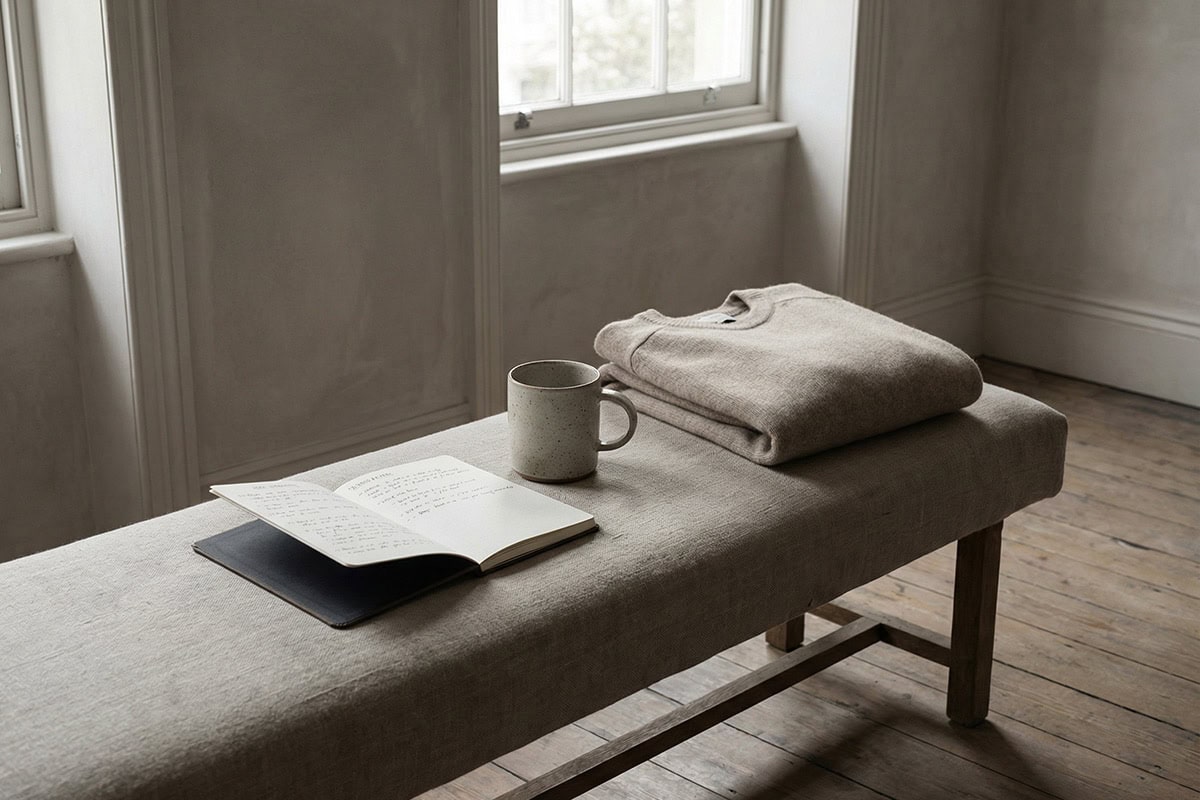
The move toward fewer better purchases is visible across everyday categories:
- Clothing chosen for longevity rather than trend
- Home items selected for daily comfort
- Tools and objects bought once, not repeatedly
These decisions may look unremarkable individually. Together, they change how life feels.
A Different Kind of Value
Value is no longer measured by how much something costs, or how often it’s replaced.
It’s measured by how quietly it integrates into daily life.
That is why fewer better purchases are winning — not because they signal discipline, but because they reduce friction.
FAQ
What does fewer better purchases mean?
Fewer better purchases refers to buying fewer items overall, but choosing those items more carefully for longevity, usefulness, and repeated use.
Is intentional buying the same as minimalism?
No. Intentional buying focuses on selection rather than reduction. The aim is to buy items that fit well into daily life, not to own as little as possible.
Why are people buying fewer items now?
Fatigue from constant choice, rising awareness of quality, and a desire for calmer living have all contributed to this shift.
Does buying better always mean spending more?
Not necessarily. Better purchases are defined by longevity and use, not price. Some modest items outperform expensive alternatives over time.
Closing Notes
It’s about choosing differently — and choosing with intention.
As consumption has accelerated, the quiet cost has been mental as much as financial. Constant replacement fragments attention. Frequent upgrades create instability rather than satisfaction. In response, people are beginning to favour decisions that last, not because they are restrictive, but because they are relieving.
In 2026, fewer better purchases reflect a broader shift toward intentional living. The focus has moved away from volume and novelty toward clarity, consistency, and fit. Items are chosen for how well they integrate into daily life, how reliably they perform, and how little they demand once owned.
This approach doesn’t remove pleasure from buying. It refines it. The reward comes from confidence in a decision rather than excitement at the point of purchase. Over time, this way of choosing creates calmer spaces, simpler routines, and a sense that what is owned genuinely belongs.
Buying less becomes less about restraint — and more about ease.